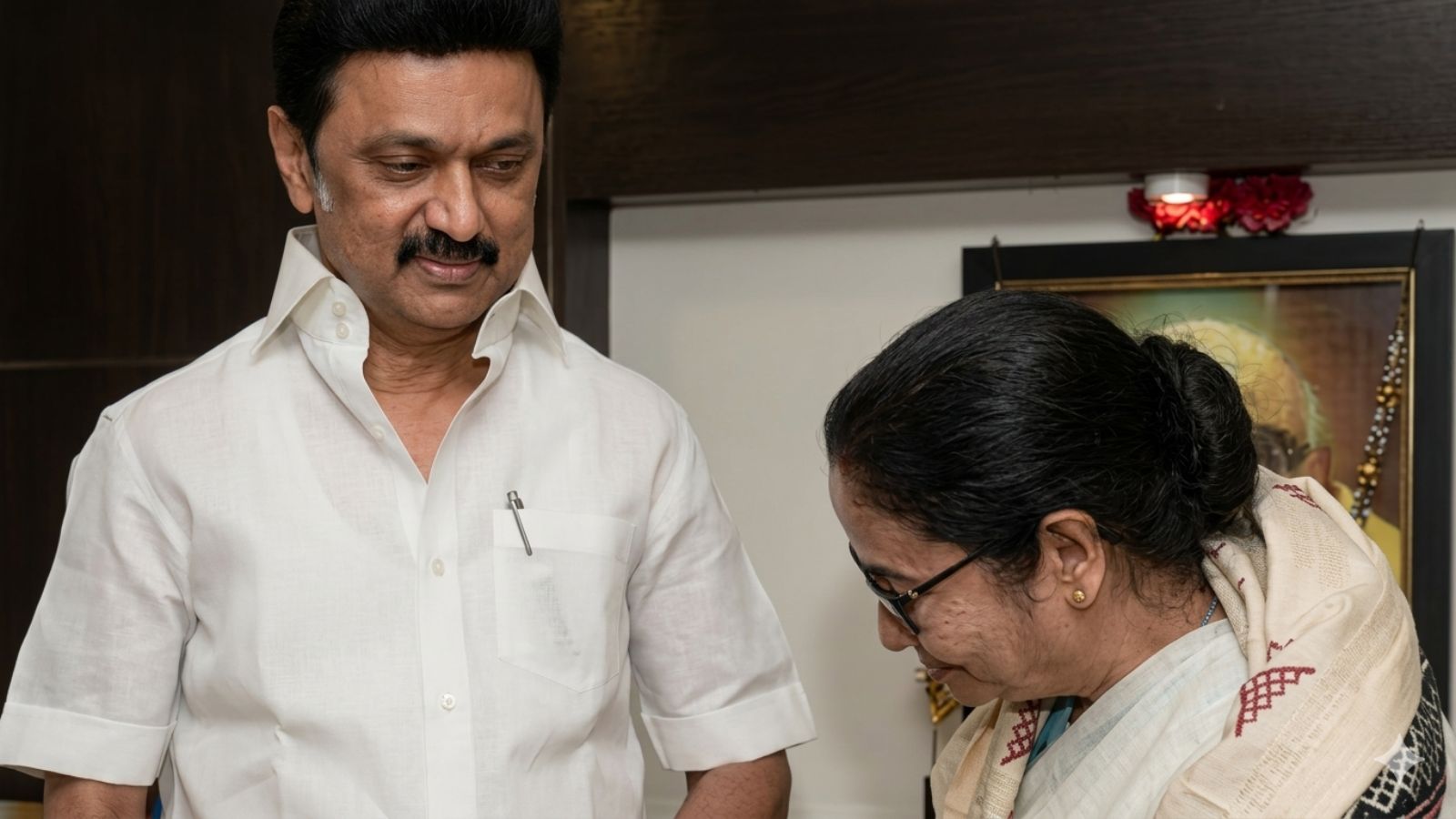
DMK president and Tamil Nadu Chief Minister M.K. Stalin has once again attracted national political attention. Following the breakdown of the DMK-Congress alliance in Tamil Nadu, the DMK’s importance in the political calculations of opposition parties at the national level has increased. Having joined hands with actor Vijay’s Tamilaga Vettri Kazhagam (TVK) in Tamil Nadu, Congress is now facing a political situation in which it may need the DMK’s support in parliamentary politics. Reports in political circles suggest that efforts are being made to reopen communication with the DMK leadership through West Bengal Chief Minister Mamata Banerjee.
However, Stalin remains firm that Tamil Nadu’s rights cannot be compromised for political convenience. The DMK’s position on delimitation has attracted considerable national attention. Stalin has insisted that even if the total number of Lok Sabha seats is increased, Tamil Nadu’s present 7.18 per cent representation in the Lok Sabha must not be reduced. He has also demanded that the existing inter-state representation ratio, based on the 1971 Census, should remain unchanged for another 25 years. His position reflects a clear message: Tamil Nadu’s political representation and federal rights cannot be sacrificed for electoral calculations.
Delimitation is not merely an administrative exercise to increase the number of parliamentary constituencies. There are serious concerns that redrawing constituencies based on population could weaken the parliamentary influence of southern states such as Tamil Nadu, which have made significant progress in population control. The DMK has therefore transformed the delimitation issue into a larger political battle to protect state rights, federal principles and the democratic representation of southern states. This has elevated Stalin’s role beyond Tamil Nadu politics and placed him at the centre of a major national debate.
On the other hand, Congress, which chose to move away from its alliance with the DMK in Tamil Nadu and establish a political relationship with the TVK, may now require the DMK’s support in Parliament. The DMK’s parliamentary strength is considered significant in maintaining opposition unity and challenging the delimitation proposals. Reports of Mamata Banerjee’s efforts to facilitate reconciliation highlight Congress’s political requirements. However, Stalin’s approach indicates that the DMK is not prepared to change its position merely to meet Congress’s political needs.
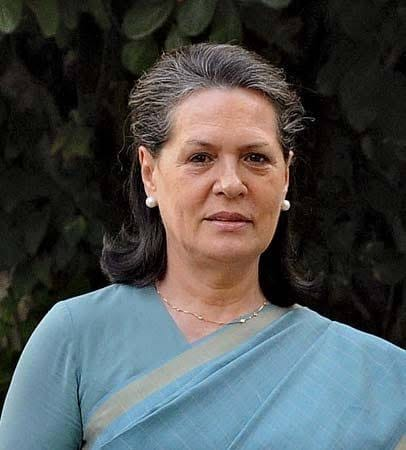
The criticism of the DMK by Congress leaders such as Manickam Tagore has further complicated the political situation. While P. Chidambaram and Peter Alphonse are said to have stayed away from direct negotiations, reportedly fearing humiliation in discussions with the DMK leadership, senior Congress leaders, including Mallikarjun Kharge, have also faced difficulties in restoring communication. There are claims that even Sonia Gandhi’s invitation did not receive the expected response from the DMK, prompting attempts through Mamata Banerjee. However, these reconciliation efforts are also said to have failed. The contrast is politically significant: Congress leaders who criticised the DMK for Tamil Nadu’s alliance calculations are now facing a situation in which they may need the very same party’s support at the national level. The DMK, meanwhile, is asserting an independent political position against Congress’s decisions.
Stalin is increasingly emerging not merely as the leader of a regional party but as an influential voice in the national debate on federalism and state rights. Efforts by Congress and opposition leaders, including Mamata Banerjee, to bring the DMK back into their political fold underline the party’s growing importance in national politics. Political alliances may change for the sake of power, but the rights of Tamil Nadu cannot be compromised. That is the political message Stalin is putting forward. The DMK’s next political move, along with the outcome of the delimitation debate in Parliament, could become a decisive factor in shaping the future of the INDIA alliance and the wider opposition landscape.