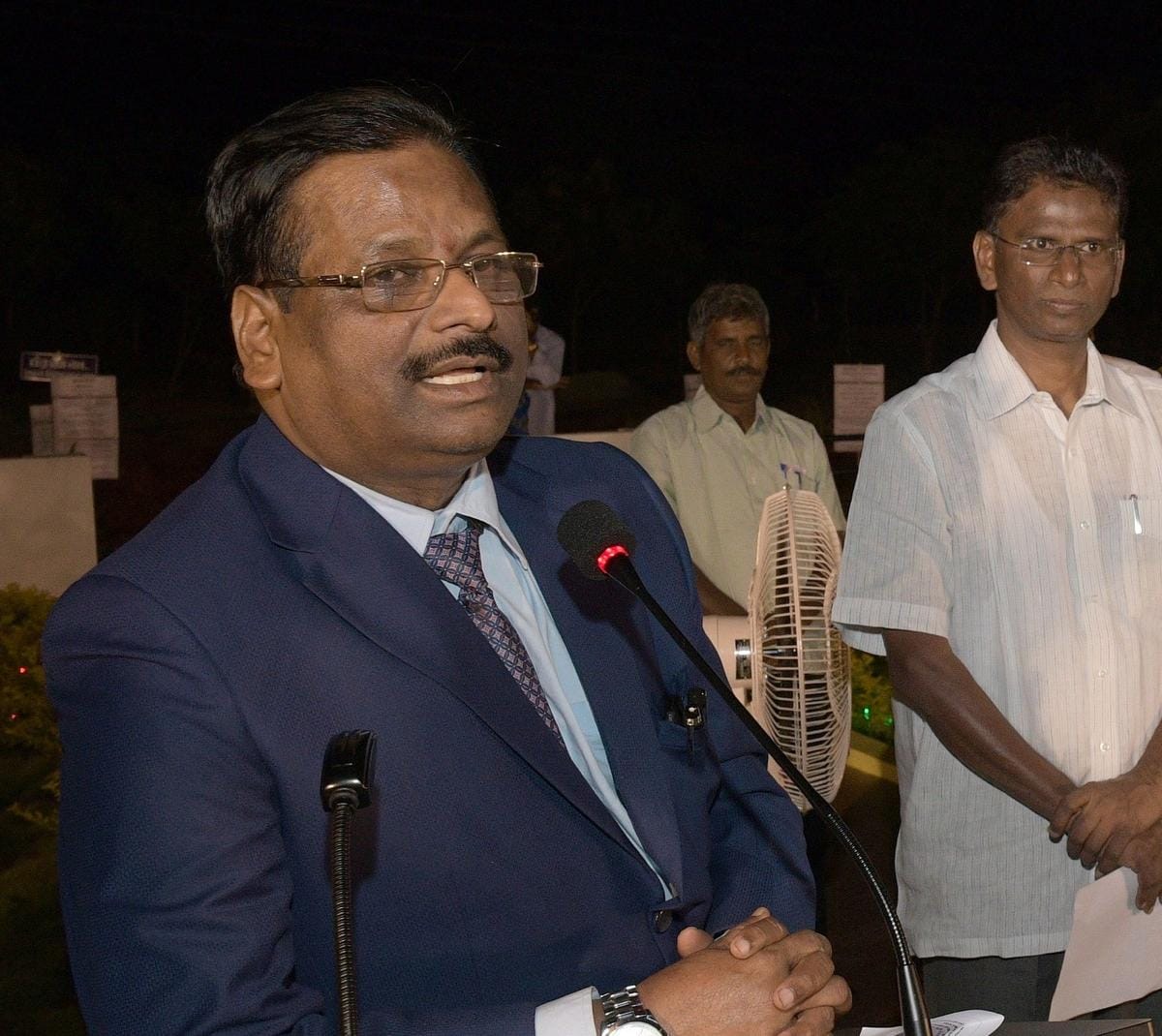
Former Madras High Court Judge M.V. Muralidharan has been appointed Chairman of the Tamil Nadu State Commission for Scheduled Castes and Scheduled Tribes by the Tamil Nadu Government. According to the government order issued on November 10, 2026, he will hold office for three years from the date of assuming charge or until attaining the age of 75, whichever is earlier. The Commission has an important responsibility to protect the rights and safeguards of Scheduled Castes and Scheduled Tribes, address complaints relating to social discrimination and atrocities, and monitor issues concerning social justice.
During his tenure as Acting Chief Justice of the Manipur High Court, M.V. Muralidharan issued an order on March 27, 2023, directing the Manipur Government to consider the inclusion of the Meitei community in the Scheduled Tribes (ST) list and submit a recommendation to the Central Government within four weeks. The order triggered strong opposition from tribal organisations, particularly those representing the Kuki community. They expressed concern that granting ST status to the Meitei community could affect their land rights, reservation benefits and political representation. The order subsequently became a significant point of controversy against the backdrop of the Meitei-Kuki ethnic conflict that erupted in Manipur in May 2023.
When the matter reached the Supreme Court, a bench headed by then Chief Justice of India D.Y. Chandrachud, on May 17, 2023, strongly criticised the Manipur High Court’s direction, describing it as “Absolutely Wrong”. The Supreme Court also considered the question of staying the order. Subsequently, in February 2024, the Manipur High Court removed the controversial portion of its earlier direction. Further, on October 9, 2023, the Supreme Court Collegium recommended transferring Justice M.V. Muralidharan from the Manipur High Court to the Calcutta High Court. Although he had expressed his preference to return to the Madras High Court, the Collegium did not accept his request.
His tenure as a judge in Tamil Nadu also witnessed controversy over an order concerning the national song Vande Mataram. On July 25, 2017, while hearing a case concerning the language in which Vande Mataram was originally written, he directed that the song be sung once a week in schools and colleges across Tamil Nadu and once a month in government offices, private institutions and factories. At the same time, he clarified that individuals or institutions facing difficulty or having objections to singing the song should not be compelled to do so. He also directed that Tamil and English translations of the song be made available to the public. The order generated debate over the constitutional status of the national anthem and the national song, as well as the question of individual choice and compulsion.
The appointment of M.V. Muralidharan to head a commission entrusted with protecting the rights of Scheduled Castes and Scheduled Tribes has brought renewed attention to his previous judicial record. His controversial direction in the Manipur ST status issue, the Supreme Court’s criticism of that order, and his Vande Mataram ruling in Tamil Nadu are matters that deserve public scrutiny. Questions surrounding his judicial approach and allegations of ideological alignment with the BJP-RSS have also become part of the broader political discussion. Given the sensitive nature of the Commission’s responsibilities, his approach towards protecting the rights, dignity, land entitlements and constitutional safeguards of Scheduled Castes and Scheduled Tribes will be closely watched.
#SOUTHINDIANVOICE #DravidaJeeva #TamilNadu #MVMuralidharan #SCSTCommission #SocialJustice #Manipur #VandeMataram #ScheduledTribes #ScheduledCastes #BJP #RSS