
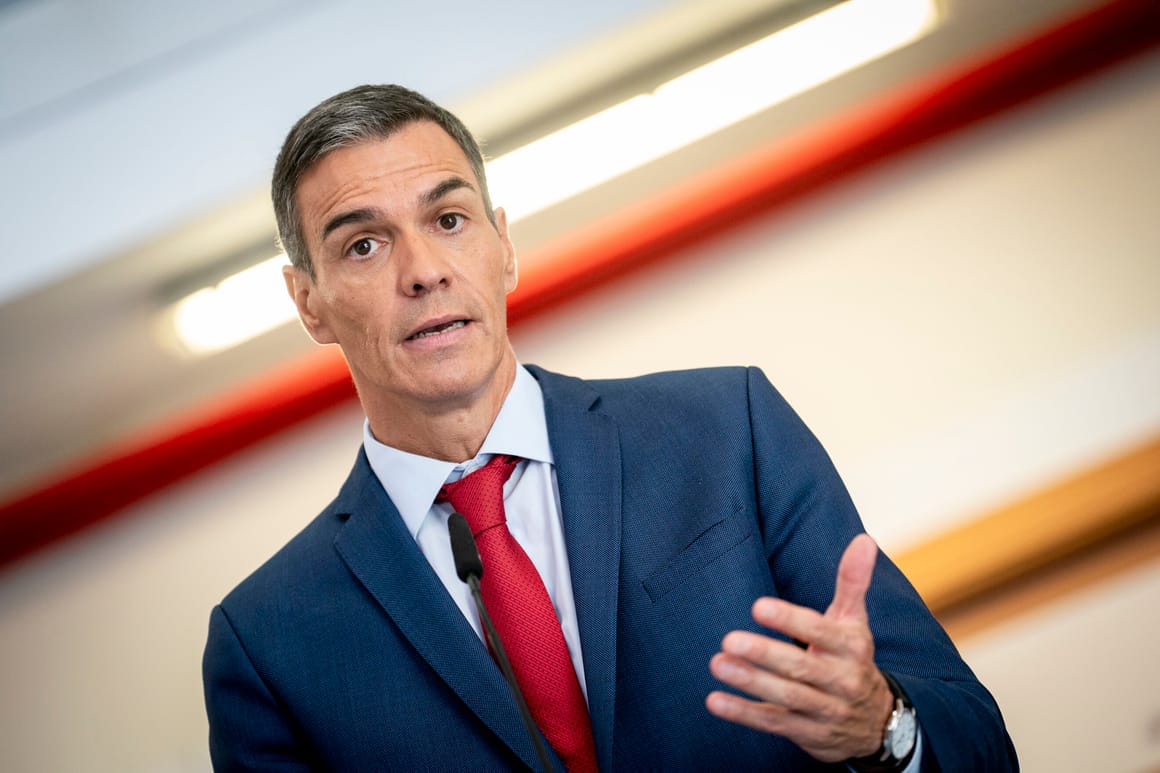
Spain’s snap parliamentary election, scheduled for November 29, has emerged as a major political test for Prime Minister Pedro Sanchez and his Socialist Party. With the election being held earlier than originally expected, voters are set to decide whether the country will continue under a left-wing government or move towards a right-wing administration. The election could mark a significant turning point in Spain’s political landscape.
Opinion polls indicate that the conservative People’s Party (PP) is ahead of Sanchez’s Socialist Party, the PSOE. However, the PP may struggle to secure an outright majority and could need the support of the right-wing Vox party to form a government. This has made the possibility of a PP–Vox alliance one of the central issues of the election.
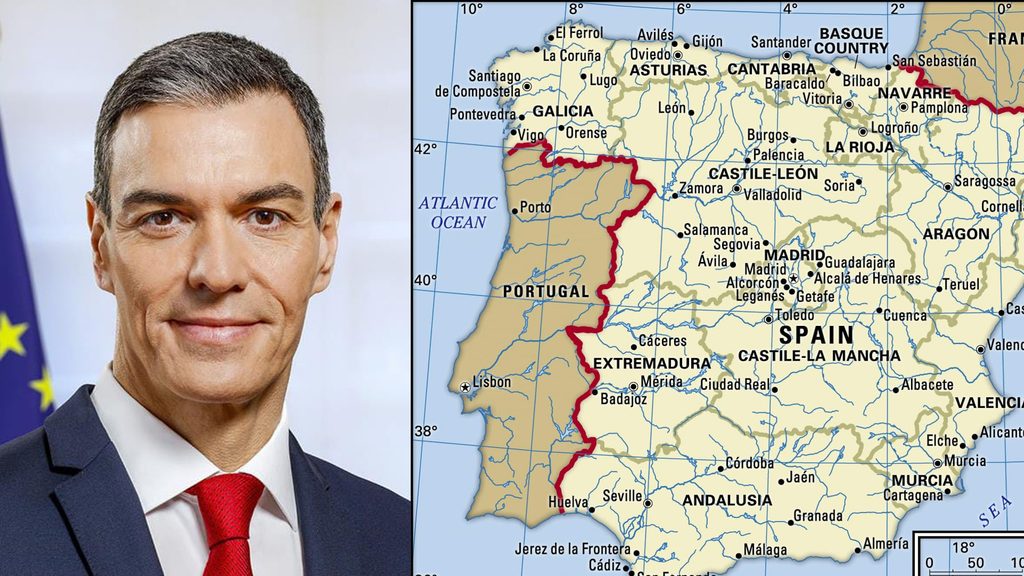
Vox leader Santiago Abascal has campaigned on tougher immigration controls, reducing taxes and strengthening central government powers. If the PP wins the largest number of seats but falls short of a majority, negotiations with Vox could determine the formation and policies of the next government. The possibility of Vox entering national government has therefore attracted considerable attention both inside and outside Spain.
Housing and rising rents have also become major election issues. Sanchez’s government has promoted measures aimed at increasing affordable and social housing and addressing rental costs, while the PP has called for fewer restrictions and increased housing construction. Immigration, the cost of living, employment and political corruption allegations are also playing an important role in the election campaign.
A PP–Vox government would represent a significant shift in Spanish national politics. It could also strengthen the broader trend of right-wing and nationalist parties gaining influence across Europe. If Vox becomes part of the national government, it would represent a major political development for Spain and could influence debates over immigration, European Union policies and the future direction of European politics.
For Pedro Sanchez, the election is a crucial attempt to retain power, while PP leader Alberto Núñez Feijóo is seeking to bring about a change of government. Santiago Abascal and Vox are seeking to convert their growing political influence into a direct role in national government. The November 29 election is therefore being watched not only as a battle for Spain’s next government, but also as an important test of the continuing rise of right-wing politics across Europe.