
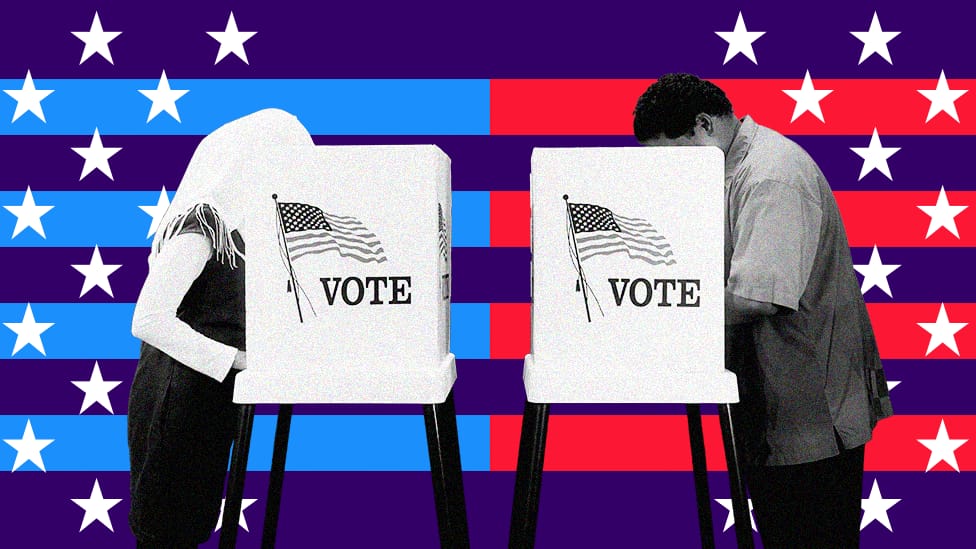
he United States of America, one of the world’s largest democracies and a leading global economic and technological power, has a long history of electoral practices. Its midterm elections attract international attention because of their importance in the country’s democratic system. Midterm elections are held halfway through the four-year presidential term, every two years. The 2026 midterm elections are scheduled for November. Elections will be conducted for all 435 seats in the House of Representatives and approximately one-third of the seats in the Senate.
Looking back at American electoral history, paper ballots have played an important role since the early days of the country’s democratic system. During the 19th century, political parties printed and distributed ballot papers containing the names of their respective candidates. Subsequently, the Australian Ballot System, which emphasised voter privacy and electoral transparency, was gradually introduced in the United States beginning in the late 1880s. This marked an important transformation in the country’s voting practices, moving towards government-regulated, secret paper ballots rather than party-distributed voting papers.
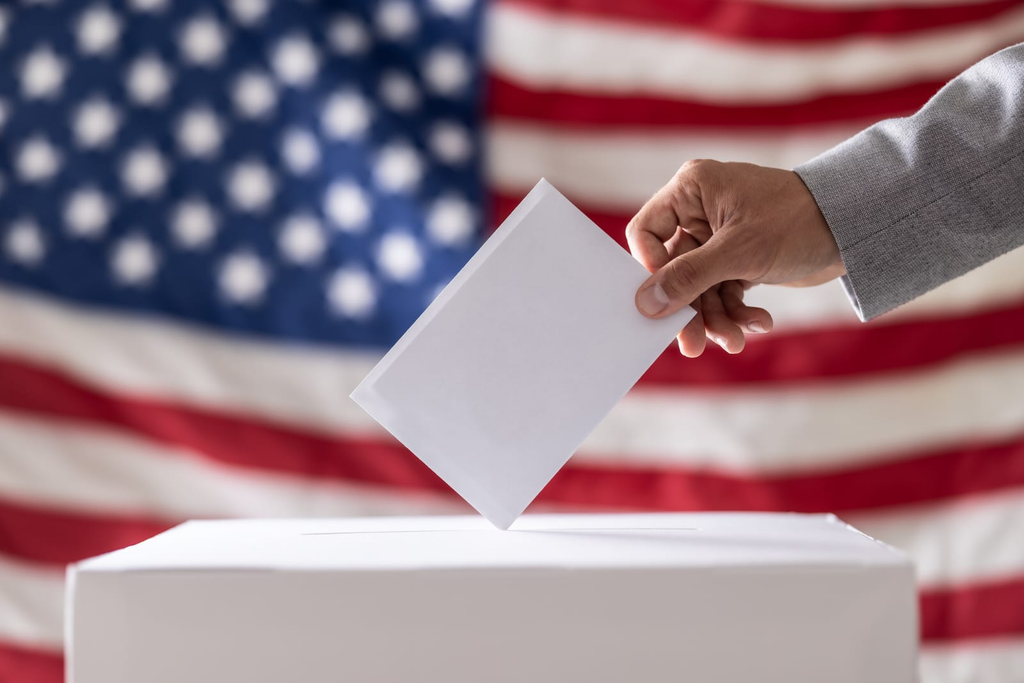
With technological advancements, the United States gradually introduced different voting systems. Mechanical lever voting machines appeared in the 1890s, followed by punch-card systems, electronic voting machines and touchscreen voting technologies. However, technological development did not completely eliminate the importance of paper ballots. Today, voters in many American states mark their choices on paper ballots, which are subsequently scanned and counted electronically. In several jurisdictions, paper records also provide an opportunity to verify election results.
The 2000 US Presidential Election, particularly the controversy surrounding punch-card ballots in Florida, triggered a nationwide debate about electoral technology and the reliability of voting systems. Following this controversy, the Help America Vote Act (HAVA) was enacted in 2002. The legislation introduced several measures to improve election administration, establish voting system standards, enhance accessibility and strengthen election technology. These reforms also contributed to the wider adoption of voting systems that maintain paper records for verification.
According to the US Election Assistance Commission’s 2024 Election Administration and Voting Survey, more than 98 per cent of election jurisdictions in the United States used voting systems in which voters either marked paper ballots or had a paper record of their votes. This demonstrates that even in a technologically advanced country, paper-based records continue to play an important role in the electoral process. However, it is important to understand that the entire United States does not follow one uniform hand-counted paper ballot system. Voting procedures differ from state to state, and many jurisdictions use electronic scanners to count paper ballots.
The American electoral experience offers an important subject for discussion among democratic nations worldwide. Technological advancement and electoral transparency must go hand in hand. Whether elections are conducted using paper ballots or electronic voting systems, the fundamental principles must remain the same: protecting voters’ rights, ensuring transparency, maintaining accountability and establishing public confidence in election results. The continued use of paper ballots and verifiable paper records in the United States, despite its technological leadership, demonstrates the importance of maintaining reliable methods to verify the people’s mandate.
#SOUTHINDIANVOICE #USElections2026 #MidtermElections #AmericanDemocracy #PaperBallot #VotingSystem #ElectionHistory #ElectionTransparency #Democracy #ElectoralReforms #VotingRights