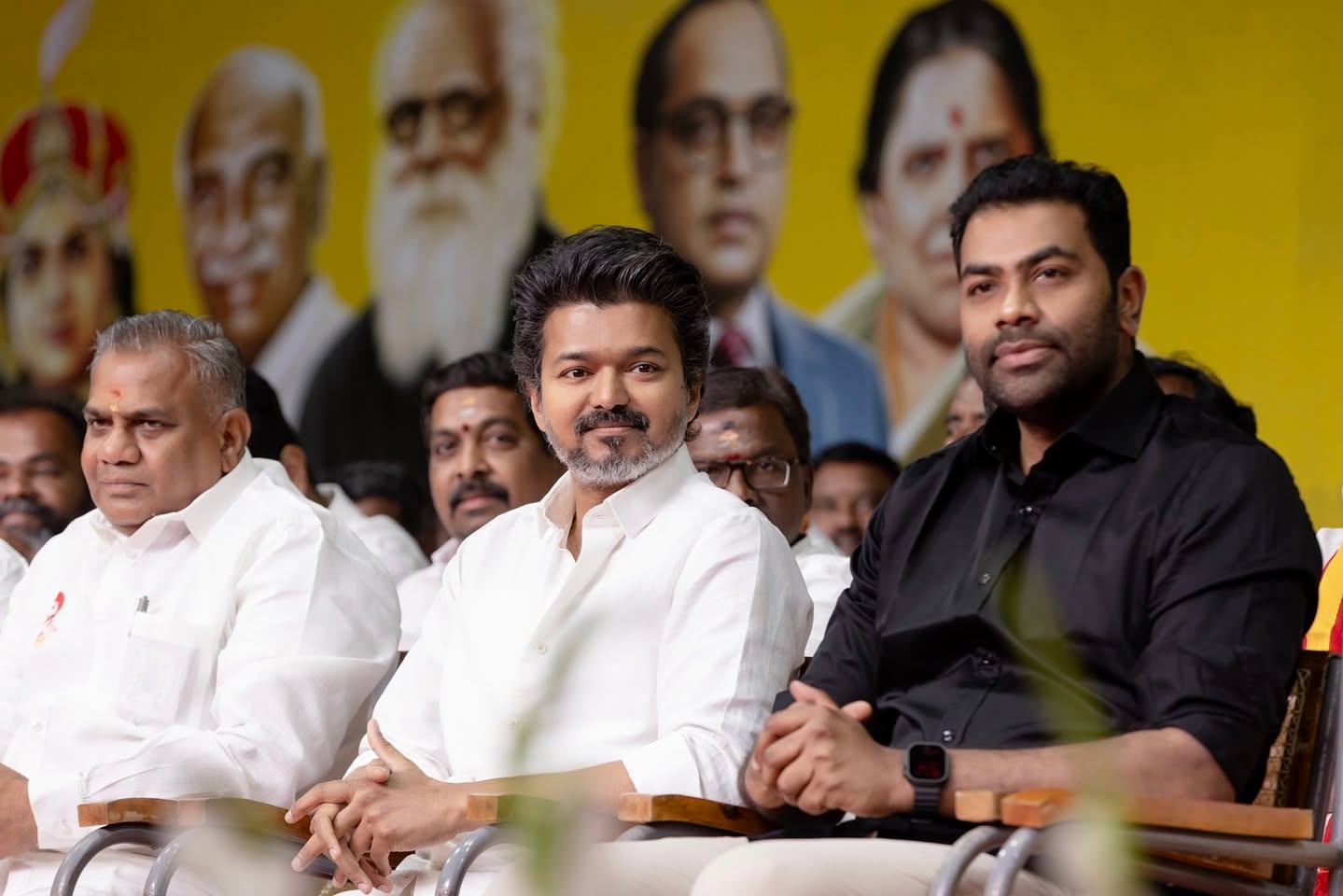
At a time when the entire state of Tamil Nadu was expecting the DMK to return to power and the AIADMK to perform strongly in the last Assembly election, the rise of TVK, a party that was widely perceived to lack a grassroots organisational structure, was not merely surprising but came as a shock. The outcome inevitably raised several questions and doubts about the political developments surrounding the election.
The defeat of the then Chief Minister and DMK president M.K. Stalin in the Kolathur constituency became one of the most significant developments of the election. Stalin had submitted a request to the Election Commission on May 7, 2026, seeking verification of the EVMs, control units and VVPATs used in 14 polling stations. However, the verification exercise commenced only in late July. The Madras High Court subsequently held that an election challenge had to be pursued through the specific legal mechanism of an election petition. The Election Commission’s own rules state that EVMs and VVPAT slips are ordinarily preserved for 45 days after declaration of the result, corresponding to the period for filing an election petition, unless a petition is filed and the material has to be retained further. These developments brought the debate surrounding EVMs, VVPAT verification and the election process into the wider public discourse.
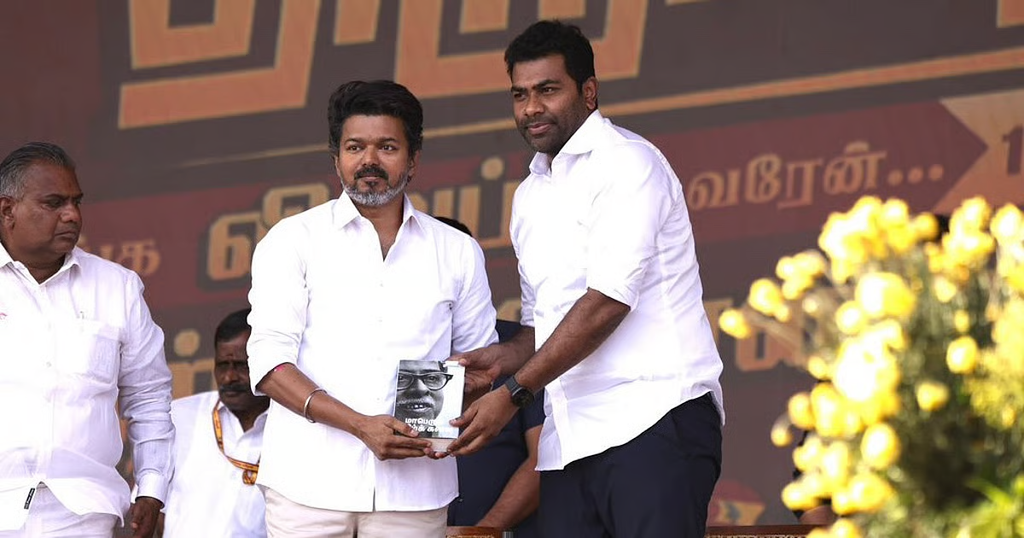
Meanwhile, in the by-elections that have followed, the DMK and AIADMK have been working intensively on the ground, seeking to demonstrate that their traditional vote bases and organisational structures remain intact. This is significant because the political narrative repeatedly presented through television and other visual media was that the DMK had been demoralised by its defeat and that the AIADMK had become politically divided and weakened. However, the ground-level picture reflected in the surveys conducted by South Indian Voice indicates that the principal contest continues to revolve around the DMK and AIADMK, raising questions about the narratives that have been repeatedly projected in the media.
The results of these by-elections will therefore be closely watched for what they reveal about the relative strength of the established parties and the emerging political forces in Tamil Nadu. TVK’s organisational structure, its reliance on social media and media visibility, and the political role of key strategists around Vijay are also becoming subjects of public discussion. Allegations and suspicions regarding external political support, money power and media influence have been raised in political discourse; such claims, however, require independent evidence before they can be treated as established facts. What the electoral results, subsequent political developments and future ground-level surveys ultimately reveal will determine how much of the current political narrative reflects actual voter sentiment and how much is driven by media and political perception.