


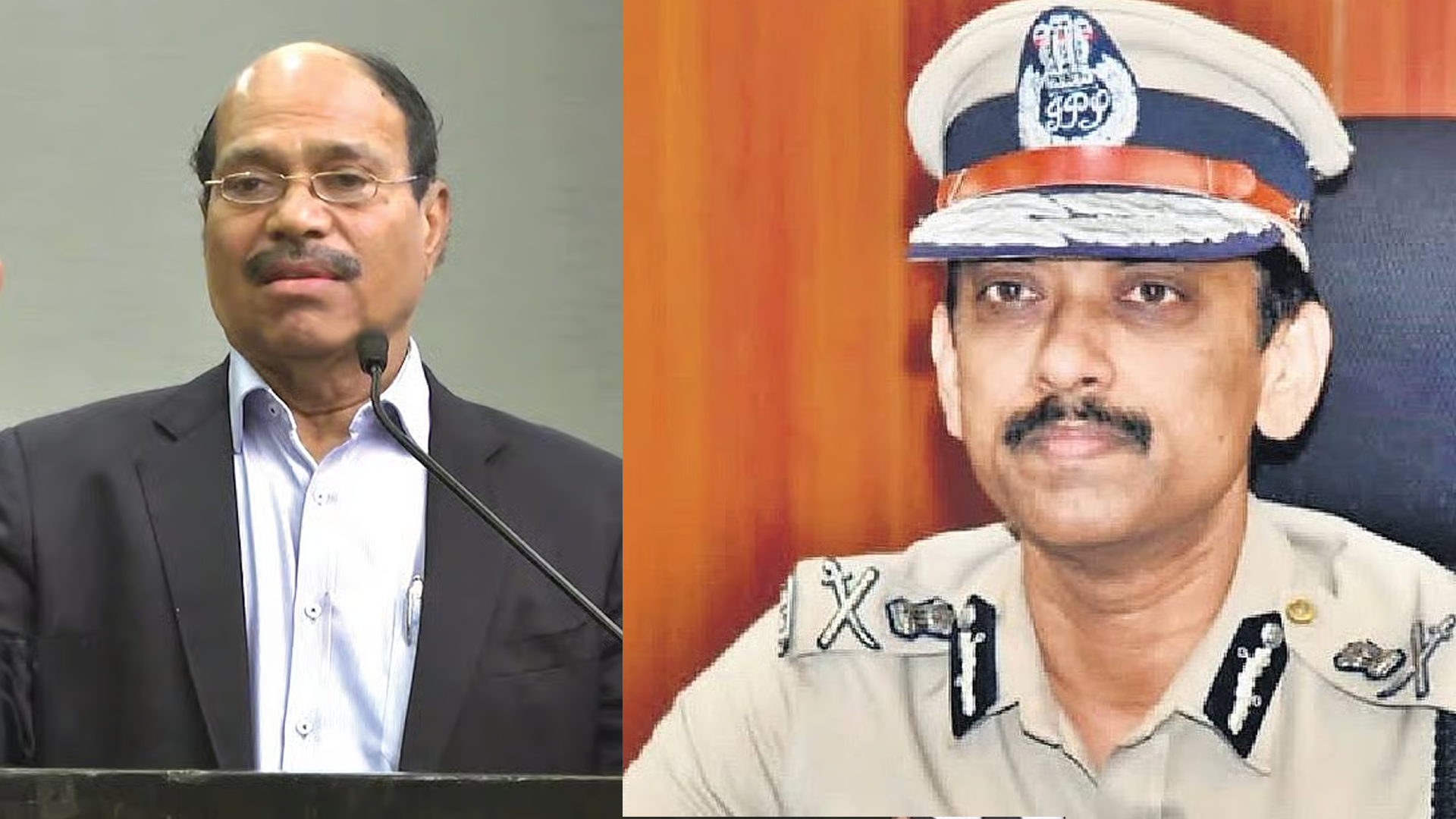
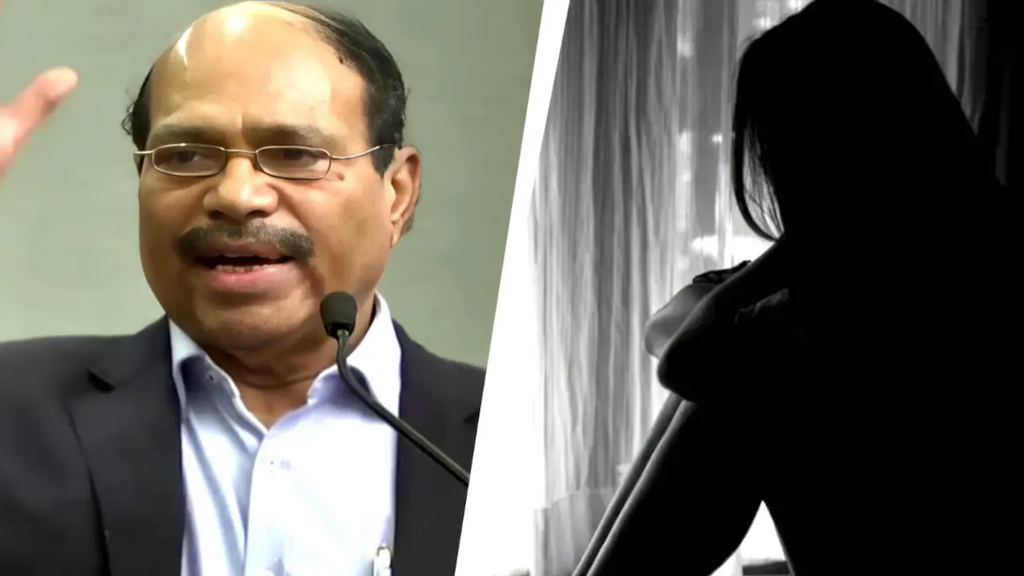
Gem Granites owner and businessman Veeramani has been arrested under the POCSO Act and is currently being questioned by the police. However, several questions are now being raised about the manner in which the investigation is being conducted. If the alleged offence is believed to have continued for several years and involved a wider network of individuals, why does the investigation appear to be focused primarily on Veeramani? Who else is allegedly connected to the case, and are all those suspected of having played a role being thoroughly investigated? These questions have become increasingly important in the public domain.
If information and allegations suggest the existence of a wider network, the role of officials, influential individuals and other prominent persons, if any, also needs to be examined. The public naturally expects the investigation to establish the complete chain of events rather than focusing on only one individual. The circumstances surrounding the alleged offences, the people who may have been involved, financial transactions, official connections and any possible influence exercised over the matter all need to be examined on the basis of evidence. Whether the allegations are true or not must ultimately be determined through a proper investigation and the judicial process.
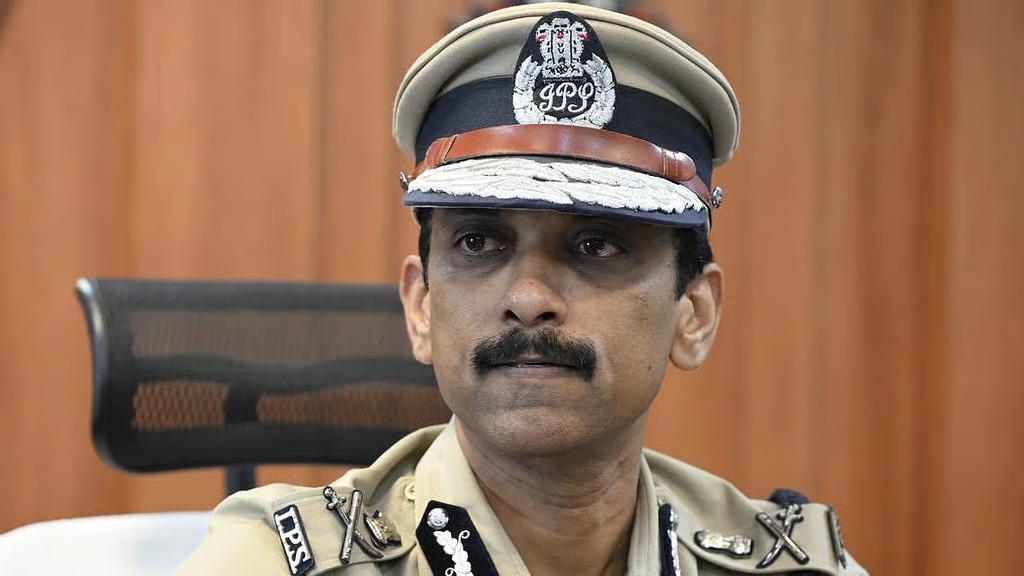
Meanwhile, allegations and information have also begun to surface regarding Arun, who served as the Chennai Police Commissioner during the previous DMK government. It has been alleged that an amount of around ₹50 crore was received in connection with an attempt to prevent or avoid an investigation into the complaint against Veeramani. If such an allegation has been made, several questions arise: Is there any documentary evidence to support it? If money was actually transferred, who allegedly arranged or facilitated the transaction? Did any officials or influential individuals have a role in it? These are matters that can be established only through a detailed and evidence-based investigation.
There are also questions about individuals who allegedly assisted former Commissioner Arun and acted as intermediaries in the alleged financial transactions. In particular, questions are being raised about whether a person who is now associated with a prominent newspaper as its editor had allegedly acted as an intermediary. Has the person been questioned by the investigating authorities? Are there bank transaction records, documents, communications or other evidence relating to the alleged financial dealings? If such evidence exists, has it been examined as part of the investigation? These questions deserve clear answers rather than speculation.
Therefore, if the investigation is to establish the complete truth, it should not end with the arrest and questioning of Veeramani alone. If there is credible evidence indicating the involvement of others, regardless of whether they are officials, politically connected individuals, celebrities or members of the media, their roles should also be examined strictly in accordance with law. At the same time, no individual should be portrayed as guilty merely on the basis of allegations without supporting evidence. Only a transparent, comprehensive and evidence-based investigation can answer the growing question: Is Veeramani being made the sole focus of the case while others who may have connections to the alleged network are being left out?


