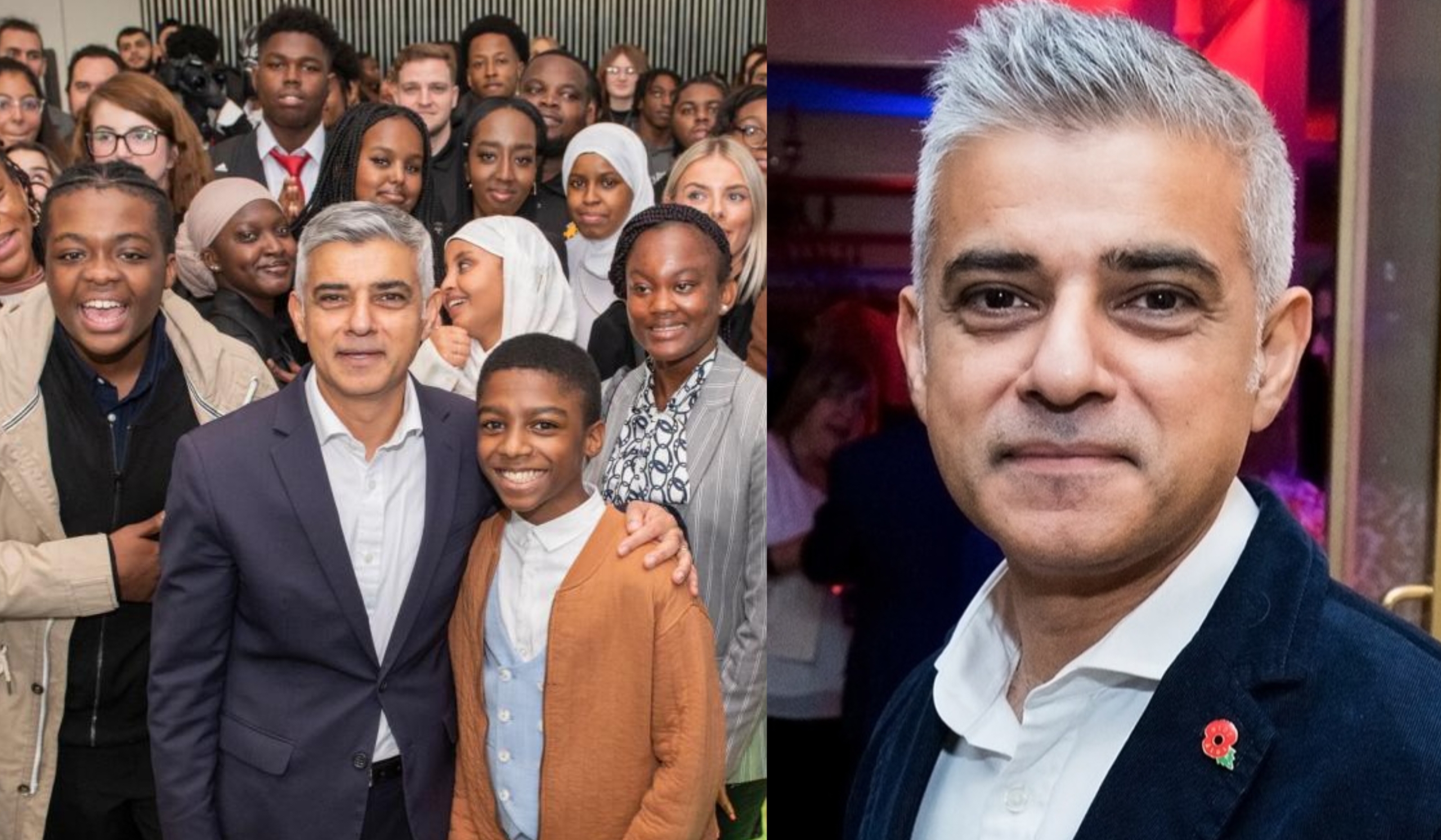
The Mayor of London serves as the chief executive of the Greater London Authority (GLA), overseeing the entire metropolis, guiding its growth, policies, and addressing the challenges of one of the world’s most dynamic cities. This significant role was created in 2000, following the Greater London Devolution referendum in 1998, making the Mayor of London the first directly elected mayor in the United Kingdom. The role marked a historic shift in London’s political landscape, empowering local voters with a more direct say in how their city was governed.Current Mayor: Sadiq KhanThe current incumbent is Sadiq Khan, who assumed office on 9 May 2016. With a focus on affordable housing, transport, and environmental sustainability, Khan has emerged as a significant figure in British politics. His tenure is notable not just for tackling local challenges, but for positioning London as a global leader in diversity, climate change action, and social justice. Khan is known for his efforts to make London a more inclusive city, ensuring that the voices of all Londoners—from students to workers, from the youth to the elderly—are heard and represented.
A Glimpse of HistoryThe inaugural holder of this influential position was Ken Livingstone, a pioneering leader who held the office from its inception in May 2000 until 2008. Livingstone’s term was marked by his unorthodox approach to politics, championing issues like affordable housing and transportation reforms. In 2008, Livingstone was defeated by Boris Johnson, whose two terms as Mayor introduced new priorities, including a focus on reducing crime and boosting tourism. However, Boris Johnson’s tenure was not without controversy, particularly around issues of inequality and housing.When Sadiq Khan succeeded Johnson in 2016, it was not just a change in leadership but a shift towards more progressive, socially-conscious governance. Khan’s agenda emphasized affordable housing, cleaner air, and tackling the housing crisis head-on. The city, under Khan, has also taken bold steps toward climate action, with initiatives like expanding the Ultra Low Emission Zone (ULEZ) to reduce pollution.Powers and ResponsibilitiesAs the chief executive officer of the Greater London Authority, the mayor holds significant powers, especially over areas such as transport (including the iconic London Underground), housing, policing, and the environment. The mayor also plays a key role in managing the London Fire and Emergency Planning Authority and overseeing the city’s economic development. The Mayoral Cabinet supports the mayor in these roles, ensuring that decisions made at City Hall reflect the diverse needs of London’s population. The mayor also works in conjunction with the London Assembly, which serves as a check on the mayor’s powers, holding them accountable to the public.Interestingly, the City of London—a unique and ancient part of London—is also represented by its own Lord Mayor, who holds a largely ceremonial role. Additionally, each of London’s 32 boroughs has a ceremonial mayor, except for Croydon, Hackney, Lewisham, Newham, and Tower Hamlets, which have elected mayors who hold executive powers within their local government.Election Process: A Democratic MandateThe election of the Mayor of London is a highly anticipated event in the city’s political calendar. Elections are held every four years, and the mayor is elected via a first-past-the-post voting system. The 2022 Elections Act replaced the previous supplementary vote method, streamlining the process. Candidates must pay a £10,000 deposit, which is refunded if they secure at least 5% of the vote. The London mayoral election is the largest single-member election in the UK, with a massive electorate that gives Londoners a significant voice in their city’s future.The Most Recent Election: A Historic WinThe most recent London mayoral election took place on 2 May 2024, with the results announced on 4 May 2024. The race saw Sadiq Khan make history by becoming the first mayor to be elected for three terms, a testament to his popularity and political strength. Khan triumphed over Conservative candidate Susan Hall, securing a resounding victory that confirmed his place in London’s political history. His re-election underscores his significant influence and the city’s trust in his vision for the future. Khan’s victory also highlights the shifting political landscape in London, where issues like climate change, social equality, and affordable housing are at the forefront of voters’ minds.Key Details of the RoleDeputy: The mayor is supported by the Statutory Deputy Mayor of London who helps manage day-to-day affairs and may act in the mayor’s absence.Salary: The mayor’s salary currently stands at £152,734, reflecting the demanding nature of the role.Term Length: The mayor serves a four-year term, with the possibility of re-election. There are no limits to the number of terms a mayor can serve, providing an opportunity for long-term vision and leadership.Appointer: The mayor is elected by the electorate of London, with citizens casting their vote in a highly participatory and significant process.Seat of Power: The City Hall, located on the south bank of the River Thames, serves as the official seat of the mayor. The iconic Glass Building houses the mayor’s offices and is an architectural symbol of modern London.Background: A New Governance EraBefore the creation of the mayoralty, London was governed by the Greater London Council (GLC), which was abolished in 1986. The strategic functions previously handled by the GLC were distributed among various joint arrangements. However, this led to a fragmented governance structure, and in 1998, the people of London voted in favor of creating a directly elected mayor as part of a broader reform package under the Greater London Authority Act 1999.Since then, the Mayor of London has become a powerful and central figure in London’s governance, shaping policies that impact millions of people on a daily basis.
– Parthiban Sukumaran – From London
Editor – South Indian Voice